
Decorating before a quick sale typically costs between £500 and £15,000, with most homeowners spending around £3,000 to £5,000 on strategic improvements that deliver the highest return. The final figure depends on three primary factors: your property’s current condition, the expectations of buyers in your local market, and how much work you’re willing to do yourself versus hiring professionals.
The smartest sellers don’t redecorate everything. They focus budget on high-impact areas that influence buyer decisions within the first five minutes of viewing: entrance halls, living rooms, and kitchens. A fresh coat of neutral paint in these spaces might cost £300 to £800 but can add £2,000 to £5,000 to your asking price. Meanwhile, that dated bathroom you’ve been meaning to renovate? Unless it’s genuinely off-putting, skip it. Buyers have different tastes, and you’ll rarely recoup a £4,000 bathroom overhaul when you’re trying to sell my house for cash uk.
Key Takeaway: Most pre-sale decorating investments of £500 to £15,000 return 50% to 200% at closing, but only when you follow the golden rule: enhance what buyers notice first, ignore what they’ll personalise later, and never spend more than 5% of your property’s value on cosmetic updates.
The real question isn’t whether to decorate, it’s knowing exactly where your money works hardest. A strategic £2,000 spent on the right improvements beats a scattered £10,000 every time, and understanding this difference means the gap between leaving money on the table and maximising your sale price in 2026’s competitive market.
What You’ll Spend: Decorating Costs by Room Priority
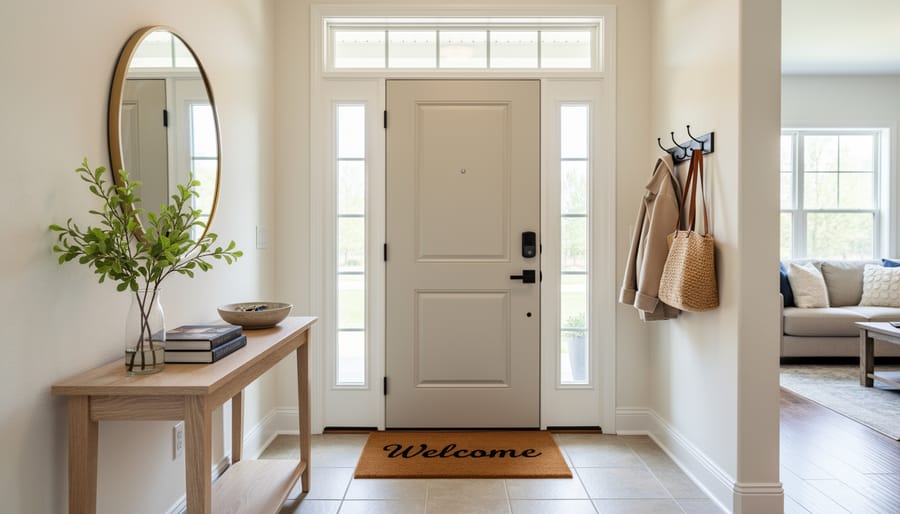
Not all rooms are equal when it comes to selling your home quickly. Buyers form their strongest impressions in specific spaces, and that’s exactly where your decorating dollars should go first.
| Room | Low Budget ($) | Mid Budget ($) | High Budget ($) | Expected Impact on Sale |
|---|---|---|---|---|
| Kitchen | $300-$600 | $1,200-$2,500 | $3,000-$6,000 | Very High – Decisive for most buyers |
| Primary Bathroom | $200-$400 | $800-$1,500 | $2,000-$4,000 | High – Strong emotional response |
| Entryway/Foyer | $150-$300 | $400-$800 | $1,000-$1,800 | High – First impression matters |
| Living Room | $200-$500 | $700-$1,200 | $1,500-$3,000 | Moderate – Supports overall appeal |
| Secondary Bedrooms | $100-$250 | $300-$600 | $800-$1,500 | Moderate-Low – Often overlooked |
| Guest Bathroom | $150-$300 | $400-$800 | $1,000-$2,000 | Moderate – Reinforces quality perception |
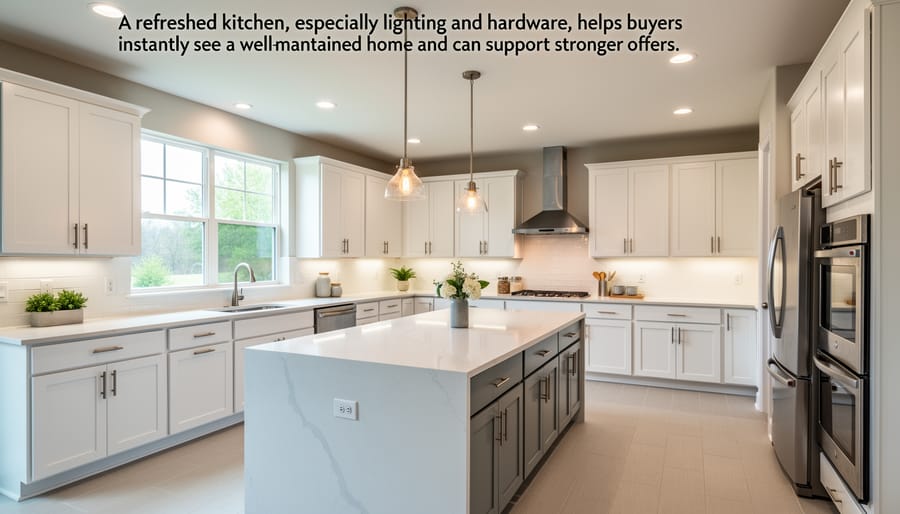
The kitchen commands your attention first. Even a low-budget refresh here, new cabinet hardware, updated light fixture, fresh caulk around the sink, runs $300 to $600 but signals that the home has been maintained. Step up to the mid-range, and you’re adding a professional deep clean, possibly repainting cabinets, replacing worn faucets, and maybe updating that dated kitchen countertop backsplash for $1,200 to $2,500. High-end pre-sale kitchen updates might include new countertops, all new hardware, professional cabinet refinishing, and upgraded appliances if yours are truly outdated, pushing toward $3,000 to $6,000. The payoff? Kitchens often justify listing price increases that far exceed your investment.
Bathrooms, especially your primary bath, come next. For $200 to $400, you can replace the toilet seat, install a new mirror, update the faucet, re-grout tile, and add fresh towels for staging. A mid-level bathroom update ($800 to $1,500) might mean a new vanity, updated lighting, fresh paint, and maybe you’ll buy a bathroom sink to replace a dated or damaged one. Buyers scrutinize bathrooms for cleanliness and modernity, so this investment directly reduces their objections.
Your entryway creates the crucial first impression when buyers step inside. Allocate $150 to $300 for a low-budget transformation: new doormat, updated door hardware, fresh paint on the front door, and maybe a console table with simple decor. Mid-range entryway updates ($400 to $800) can include new light fixtures, professional paint for the entire space, refinished floors, and statement decor pieces.
Living rooms and bedrooms fall into the moderate-impact category. They need to look clean, neutral, and spacious, but buyers are more forgiving here. A few hundred dollars for paint, decluttering, and rearranging furniture often suffices for secondary bedrooms. Living rooms benefit from updated lighting and strategic furniture placement to showcase space rather than expensive decorative overhauls.
Guest bathrooms should mirror your primary bath’s condition but can operate on a smaller budget since buyers spend less time evaluating them.
Where Your Decorating Budget Goes: Cost Breakdown
Understanding where your decorating dollars actually go helps you allocate funds strategically and avoid overspending in low-impact areas. A well-planned $5,000 pre-sale decorating budget typically breaks down across six core categories, each serving a specific purpose in how buyers perceive your home.
Paint and Supplies (35-40% | $1,750-$2,000)
Paint delivers the biggest transformation for the least money, which is why it claims the largest share of most budgets. This allocation covers neutral-tone paint for main living areas, trim touch-ups, and all necessary supplies like brushes, rollers, drop cloths, and primer. Freshly painted walls signal to buyers that the home has been maintained and is move-in ready, eliminating their mental calculation of having to repaint themselves. The psychological impact is immediate, rooms feel cleaner, larger, and more modern.
Light Fixtures and Hardware (15-20% | $750-$1,000)
Dated brass fixtures and worn cabinet hardware scream “fixer-upper” to buyers. This category covers updated light fixtures in key rooms (entryway, dining area, bathrooms), new cabinet pulls and knobs, modern door hardware, and bathroom faucets if needed. These relatively small investments punch above their weight because buyers notice hardware every time they open a cabinet or flip a switch. Updated fixtures suggest the home has been cared for and upgraded thoughtfully.
Staging Accessories (20-25% | $1,000-$1,250)
This portion funds the decorative elements that help buyers envision living in the space: throw pillows, artwork, mirrors, area rugs, plants, and table accessories. These items create emotional connection and help define room purposes, especially in awkward spaces. Buyers need to see a home, not an empty shell, and accessories provide that crucial context without the commitment of permanent changes.
- Paint and supplies: 35-40% ($1,750-$2,000), Neutral walls throughout main living areas
- Light fixtures and hardware: 15-20% ($750-$1,000), Updated fixtures, cabinet pulls, door hardware
- Staging accessories: 20-25% ($1,000-$1,250), Pillows, art, rugs, plants that create emotional appeal
- Minor repairs: 10-15% ($500-$750), Fixing obvious defects that raise buyer concerns
- Curb appeal elements: 10-12% ($500-$600), Mulch, planters, house numbers, mailbox
- Soft furnishings: 5-8% ($250-$400), Towels, bedding, window treatments for staging
Minor Repairs (10-15% | $500-$750)
This allocation handles the small fixes that buyers use as negotiating leverage: patching drywall holes, caulking gaps, repairing loose tile, fixing sticky doors, and replacing cracked outlet covers. While not technically “decorating,” these repairs eliminate red flags that make buyers wonder what else is wrong. A $20 fix now prevents a $500 price reduction request later.
Curb Appeal Elements (10-12% | $500-$600)
First impressions form in seven seconds, making your exterior critical. This budget portion covers fresh mulch, seasonal flowers or planters, a new mailbox, updated house numbers, and possibly a new doormat or porch light. These modest investments ensure buyers actually want to see inside.
Soft Furnishings (5-8% | $250-$400)
New bathroom towels, bedroom linens, and basic window treatments complete the staged look without major expense. Fresh, coordinated textiles suggest cleanliness and care, two qualities every buyer wants in their future home.
7 Factors That Determine Your Pre-Sale Decorating Investment
Current Home Condition & Market Position
Your home’s current state and what’s competing against it fundamentally shape how much you should spend. If your property already shows well, neutral paint, clean finishes, no obvious wear, you might need just $500-$1,000 for staging accessories and curb appeal touches. A dated but clean home typically requires $3,000-$5,000 for paint, updated fixtures, and minor repairs. Anything with visible damage or serious neglect often demands $8,000+ to reach baseline buyer expectations, though at some point you’re better off pricing accordingly rather than renovating.
The competitive landscape matters just as much. Pull up the five closest comparable listings in your area and honestly compare. If competing homes are freshly updated and yours shows obvious age, you’ll need to invest more to compete or accept a lower price. In neighborhoods where most sellers haven’t bothered with updates, minimal decorating can make you stand out without significant spending.
Check how long similar homes are sitting. If houses move in days, buyers aren’t as picky about cosmetics. If inventory lingers for months, presentation becomes critical to differentiate your property. Your decorating budget should directly respond to this competitive pressure.
Timeline, Buyer Profile & Price Point
Your Timeline Sets the Decorating Bar
Need to list in two weeks? You’re looking at quick wins only: paint touch-ups, deep cleaning, and essential repairs. A three-month runway opens the door to more substantial updates like fixture replacements or flooring refreshes. The tighter your deadline, the more you should focus on cosmetic fixes that take days, not weeks. If you’re racing the clock, even $1,000 spent on paint and staging accessories can deliver better returns than a half-finished bathroom renovation.
Who’s Buying Determines What Matters
First-time buyers under 35 respond to Instagram-worthy spaces with modern hardware and good lighting, budget $3,000 to $5,000 for these aesthetic upgrades. Families prioritize function over flash; they’ll overlook dated decor if the layout works and the home feels move-in ready. Downsizing retirees want low-maintenance simplicity, making neutral palettes and streamlined spaces more valuable than trendy fixtures.
Your Price Point Dictates Expectations
Homes under $300,000 need basic presentation, fresh paint, clean carpets, working everything. Buyers at this level expect to personalize. Properties listed above $500,000 require polished presentation because buyers demand move-in readiness. Between $300,000 and $500,000, split the difference: invest in high-visibility spaces like kitchens and bathrooms while keeping bedrooms simple.
Occupancy Status & Seasonal Timing
Whether you’re living in the home during the sale process drastically changes your decorating approach and budget. Occupied homes need fewer staging accessories since your furniture creates lived-in warmth, but you’ll face the ongoing challenge of maintaining showroom condition while going about daily life. Budget an extra $300-$800 for storage units to remove excess belongings and personal items. Vacant properties, conversely, often require $2,000-$5,000 in rental furniture and accessories to help buyers visualize room dimensions and functionality, empty spaces photograph poorly and feel cold during showings.
Seasonal timing also influences which updates matter most. Spring listings benefit from enhanced curb appeal investments since buyers actively notice landscaping and exterior paint. Winter sellers should focus budget on creating cozy interior ambiance with warm lighting and neutral textures, as outdoor projects yield minimal return during dormant months. Summer’s bright natural light exposes faded paint and worn fixtures more harshly, making these updates critical. Fall buyers often prioritize move-in readiness over cosmetic perfection, so concentrate spending on functional repairs rather than extensive decorating.
DIY Decorating vs. Professional Staging: Cost Trade-Offs

The decision between rolling up your sleeves or hiring professionals comes down to three things: your budget, your timeline, and your realistic assessment of what you can execute well.
DIY decorating for a pre-sale typically runs $800-$2,500 when you handle everything yourself. You’ll spend $300-$600 on paint and supplies for neutral repaints in key rooms, another $200-$400 on updated light fixtures and cabinet hardware, $150-$300 on decluttering accessories like storage bins and organizational tools, and $150-$800 on styling pieces like throw pillows, area rugs, and artwork from discount retailers. Your time investment matters too. Expect 30-50 hours spread over two to three weekends for a three-bedroom home, covering painting, minor repairs, shopping trips, and arranging furniture to maximize space.
Professional staging services start at $1,500-$3,000 for initial consultation and partial staging (living room, dining room, and primary bedroom in a vacant home), with full-home staging reaching $3,000-$5,000 for the first month. Occupied home consultations, where a stager advises on rearranging your existing furniture and suggests minimal purchases, run $300-$600 for a two-hour session. Monthly rental fees add $500-$1,200 if your home doesn’t sell quickly, making timing crucial to your overall cost.
Pros of DIY
- Significantly lower upfront costs, usually under $2,500 total
- Complete control over timeline and specific design choices
- No monthly rental fees if the sale takes longer than expected
- You can tackle projects incrementally as budget allows
Cons of DIY
- Requires substantial time investment during an already stressful period
- Risk of amateur-looking results that don’t appeal to buyers
- Easy to over-personalize or miss what buyers actually want
- Physical labor and learning curve for unfamiliar tasks
Pros of Professional Staging
- Expert eye for what buyers want and current market trends
- Proven ability to make spaces feel larger and more desirable
- Saves you significant time and physical effort
- Staged homes typically sell 73% faster according to industry data
Cons of Professional Staging
- Higher initial investment, starting around $1,500 minimum
- Monthly rental costs add up if the home lingers on market
- Less control over specific aesthetic choices
- May feel impersonal or overly styled for some sellers
The hybrid approach often delivers the best value. Hire a professional stager for a consultation-only session ($300-$600), then execute their recommendations yourself. They’ll identify which furniture to remove, how to rearrange what stays, and provide a specific shopping list of accessories needed. You save thousands on rental fees while still getting expert direction. This works especially well for occupied homes where you already own decent furniture that just needs better placement.
Consider professional staging when you’re selling a vacant home above $400,000, competing in a slow market, or dealing with awkward layouts buyers struggle to envision. The $3,000-$5,000 investment makes sense when it could mean a $15,000-$30,000 higher sale price and 30-45 fewer days on market.
Stick with DIY if your home is already in good condition, you’re selling in a hot market where inventory is scarce, your listing price is under $300,000, or you genuinely enjoy design projects and have the skills to execute them well. A seller who recently painted their 1,200-square-foot condo themselves spent $850 total (paint, new fixtures, styling accessories) and sold in 12 days. Compare that to their neighbor who hired professional stagers for $2,400 and sold in 9 days. The three-day difference didn’t justify the $1,550 premium in their competitive urban market.
High-Impact, Low-Cost Updates That Actually Sell Homes
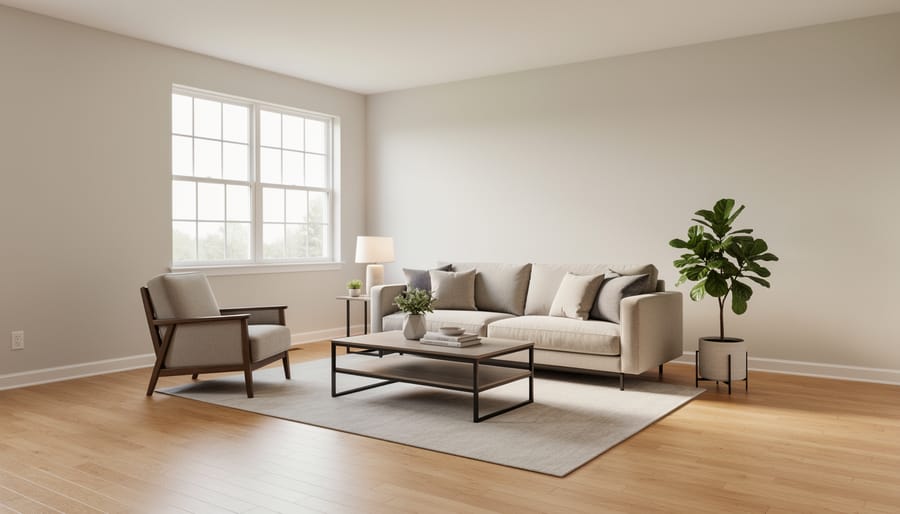
Start with the changes that deliver the most buyer appeal for the least money. These six updates typically cost under $3,000 combined and can transform how your home photographs and shows.
- Fresh Neutral Paint ($200-$600)Repaint walls in soft whites, warm grays, or greige tones that photograph well and appeal to the broadest buyer pool. Focus on high-traffic areas first: entryway, living room, and primary bedroom. One gallon of quality paint covers roughly 400 square feet and costs $35-$50. Sherwin-Williams Agreeable Gray or Benjamin Moore Simply White are safe, modern choices. Budget a weekend for an average room if you’re doing it yourself, or $300-$400 per room for a professional crew. Skip accent walls and bold colors entirely, they narrow your buyer appeal.
- Updated Light Fixtures and Hardware ($150-$400)Swap dated brass fixtures, builder-grade ceiling lights, and worn cabinet pulls for modern alternatives. Prioritize the entryway chandelier or pendant (first impression, $80-$150), kitchen cabinet hardware ($40-$80 for a full set), and bathroom vanity lights ($50-$100 each). Home Depot and Lowe’s carry attractive options under $100 that look far more expensive. Matte black, brushed nickel, and aged brass finishes read as current without being trendy. This takes 2-4 hours and requires only a screwdriver and possibly wire nuts for light fixtures.
- Strategic Decluttering and Depersonalizing ($50-$150)Remove at least 50% of visible belongings so buyers can envision their own lives in the space. Pack away family photos, collections, refrigerator magnets, and excess furniture that makes rooms feel smaller. Rent a storage unit if needed ($80-$150/month). Clear all countertops except staged essentials, kitchens should show only a coffee maker or fruit bowl, bathrooms just soap and a folded towel. This investment of your time over a few days costs almost nothing but dramatically impacts how spacious and move-in ready your home appears in photos.
- Furniture Arrangement for Flow ($0-$200)Rearrange existing pieces to maximize space and create a welcoming living room that buyers can navigate easily. Pull furniture away from walls to define conversation areas, remove oversized pieces that crowd the space, and angle seating to create inviting groupings. If you lack key pieces, rent essentials like a neutral sofa or dining table ($100-$200/month from staging companies). The living room should feel comfortable but not cluttered, with clear walkways and purposeful placement. Consider a fireplace mantel refresh with symmetrical accessories if you have one, it draws the eye and anchors the room.
- Curb Appeal Basics ($100-$300)Address the exterior view buyers see before they even leave their car. Power-wash the front door, walkway, and siding ($50-$80 to rent equipment, or DIY with a hose and scrub brush). Add two large planters flanking the entry with seasonal flowers or evergreens ($60-$120 total). Replace a worn doormat ($20-$40), polish or spray-paint the house numbers ($15-$30), and ensure exterior light fixtures work and look clean. Mulch front beds if needed ($25 per bag covers 12 square feet). This takes one day and makes your home look cared-for immediately.
- Bathroom and Kitchen Refreshes Under $500In bathrooms, re-caulk the tub and sink ($8 per tube), replace the toilet seat ($25-$50), hang a new shower curtain in white or neutral ($20-$40), and stage with rolled white towels and a small plant. In kitchens, consider peel-and-stick backsplash tiles if the current backsplash is dated ($50-$150 for a small area), replace cabinet hardware as mentioned above, and stage counters minimally. These targeted fixes address the rooms buyers scrutinize most, for a combined investment of $300-$500 and a day’s work.
Each of these updates pays for itself many times over in buyer perception. A home that looks fresh and well-maintained invites higher offers and faster decisions than one that shows neglect, even if the bones are identical.
When to Skip the Decorating (and Save Your Money)
Sometimes the smartest decorating decision is not decorating at all. If your property fits one of these profiles, you’ll likely see better returns by keeping your wallet closed and listing as-is.
Severely distressed properties heading for investor buyers don’t benefit from cosmetic polish. If your home needs major structural work, outdated systems, or has deferred maintenance exceeding $20,000, investors expect a fixer-upper and price accordingly. Adding fresh paint or new hardware won’t change their renovation plans or their cash offer. Save the $3,000-$5,000 you’d spend on decorating.
Hot seller’s markets with low inventory mean buyers will compete regardless of decor. When homes sell within days and receive multiple offers, your listing doesn’t need staging magic. If comparable properties in your neighborhood are going under contract in less than a week, skip the updates. Buyers will overlook dated wallpaper when they’re desperate for available housing. Even small bedroom tips won’t matter when demand far outstrips supply.
Teardown-value properties where land is worth more than the structure shouldn’t get decorating dollars. If developers are buying nearby lots or your home is significantly smaller than neighborhood builds, buyers are purchasing for location, not your interior finishes. Decorating is throwing money away.
Competitively priced listings already below market don’t need additional sweeteners. If you’ve priced $15,000-$20,000 under comparable sales to attract quick offers, you’ve already provided buyer incentive. Adding decorating costs reduces your net proceeds without speeding the sale further.
The bottom line: decorating makes sense when it bridges the gap between your home and buyer expectations. When that gap doesn’t exist or can’t be bridged with cosmetics, as-is is the financially sound choice.
Common Questions About Pre-Sale Decorating Costs
What’s the minimum investment for noticeable improvement?
You can make a meaningful difference with $500-$1,000 by focusing on fresh paint in main areas, new door hardware, updated light fixtures, and thorough cleaning. Even at this budget level, buyers will notice the effort and perceive better home maintenance.
How much decorating do vacant homes need?
Vacant properties typically need $2,000-$5,000 for basic staging to help buyers visualize space and flow. Focus on living room, primary bedroom, and dining area with rental furniture, plus kitchen and bathroom accessories. Empty rooms photograph poorly and feel smaller, making staging essential for competitive pricing.
Can I deduct pre-sale improvements from taxes?
Cosmetic decorating typically cannot be deducted as a selling expense, but it may increase your cost basis for capital gains purposes if you’re selling an investment property. Consult a tax professional about your specific situation, as rules differ for primary residences versus rentals.
How long before listing should I start decorating?
Begin 4-6 weeks before your target listing date to avoid rushing and making costly mistakes. This timeline allows for painting, repairs, delivery delays, and breathing room if you need to adjust your approach based on early feedback from your agent.
What if I over-improve for my neighborhood?
You won’t recoup money spent making your home significantly nicer than comparable properties nearby. Research recent sales within three blocks, match the condition and finish level of homes selling quickly, and stop there rather than becoming the nicest house on the street.
Do buyers actually care about decor?
Buyers respond to cleanliness, light, and neutral presentation rather than decor style itself. They care that spaces feel move-in ready and well-maintained. Your decorating goal is removing obstacles to their imagination, not impressing them with your taste.
Should I match current trends or stay neutral?
Choose neutral every time for pre-sale work. Trendy colors, patterns, or fixtures might alienate buyers whose preferences differ or who recognize the trend as already dated. Soft grays, warm whites, and classic finishes appeal across demographics and photograph well, giving your listing longer shelf life if the sale takes time.
The answers to these questions reveal a common thread: successful pre-sale decorating prioritizes universal appeal over personal expression. You’re not creating your dream home; you’re creating a blank canvas that helps the maximum number of buyers picture their dream home. This distinction matters when you’re tempted to add one more decorative element or choose the bolder paint color.
Understanding the tax implications prevents disappointment later, but don’t let the lack of deductions discourage strategic spending. The return comes through higher offers and faster sales, not tax breaks. Similarly, timing your decorating work balances urgency against quality. Starting too early means living in a show-ready home for months; starting too late creates stress and visible rush jobs that buyers notice.
The neighborhood ceiling question deserves special attention because it’s where sellers most often waste money. Your beautifully updated kitchen won’t command luxury prices if surrounding homes sold for $50,000 less with builder-grade finishes. Markets have established price bands, and decorating can help you reach the top of your band but won’t move you into the next tier. Match the standard that’s selling, save the rest of your budget, and move on to your next home where you can decorate for yourself.
The smartest pre-sale decorating decisions come down to this: invest where buyers notice, skip what only matters to you. For most homes, that sweet spot sits between $2,000 and $8,000, focused on high-impact spaces like kitchens, bathrooms, and entryways rather than comprehensive makeovers.
Your specific number depends on the seven factors we explored, market conditions, timeline, home condition, price point, and buyer expectations in your neighborhood. A $300,000 ranch in a balanced market might need just $3,000 in paint and lighting updates. A $600,000 family home competing against staged properties could justify $7,000 for professional staging and strategic repairs.
Start with the changes that deliver immediate visual impact and address obvious buyer objections. Fresh paint always wins. Updated fixtures matter more than new furniture. Decluttering costs nothing but transforms perception. These moves accelerate sales and often generate offers above your initial listing price, far exceeding what you spent.
Remember that quick sales typically require less decorating, not more. Buyers in hot markets care more about price and condition than whether you’ve staged three bedrooms they’ll redecorate anyway. Assess your situation honestly using the decision framework we covered, tackle the highest-ROI improvements first, and stop when you’ve addressed the deal-breakers.
You now have the cost breakdowns, priority guidance, and real-world context to decorate strategically before your sale. Make your investment count.